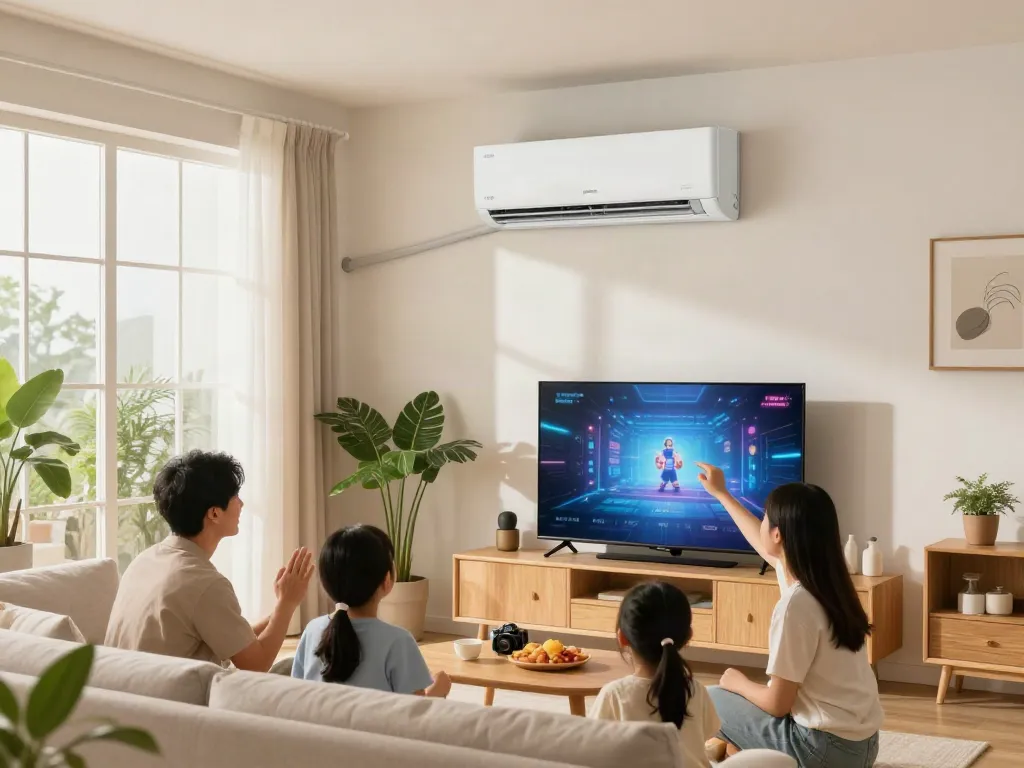
Understanding Ductless Air Conditioners
Ductless air conditioners, also known as mini-split systems, are becoming increasingly popular for both residential and commercial cooling needs. Providing an efficient alternative to traditional air conditioning units, these systems operate without the extensive ductwork required by conventional HVAC systems. They are particularly beneficial in spaces where duct installation is impractical or impossible. When exploring options, ductless air conditioner offer comprehensive solutions tailored to modern cooling requirements.
What is a Ductless Air Conditioner?
A ductless air conditioner is a unique type of cooling system that consists of two main components: an outdoor compressor unit and one or more indoor air-handling units. These systems utilize inverter technology to adjust the cooling or heating output according to the specific demands of the space. This flexibility allows homeowners and business owners to maintain desired temperatures without the inefficiency associated with ducted systems.
Key Components of Ductless Systems
The key components of a ductless air conditioning system include:
- Outdoor Unit: The compressor is located outside and is responsible for circulating refrigerant through the system.
- Indoor Unit: This unit is mounted on the wall or ceiling and distributes the conditioned air into the room.
- Refrigerant Lines: These insulated lines connect the indoor and outdoor units, allowing refrigerant to flow back and forth.
- Remote Control: Most ductless systems come with a remote control for easy adjustments to temperature settings and fan speed.
How Ductless Systems Differ from Traditional AC
Ductless air conditioners differ significantly from traditional central air conditioning systems. The most notable difference is that ductless units do not require ductwork, which can be expensive and inefficient. Traditional systems often lose a substantial amount of cooled air through leaks in ducts. In contrast, ductless systems provide targeted cooling and heating, reducing energy waste. Moreover, ductless systems allow for individual room temperature control, offering superior comfort and flexibility.
Advantages of Ductless Air Conditioners
Energy Efficiency and Cost Savings
One of the most significant advantages of ductless air conditioners is their energy efficiency. Ductless systems often have higher Seasonal Energy Efficiency Ratios (SEER) compared to traditional systems, meaning they consume less electricity to produce the same cooling output. This efficiency leads to substantial cost savings on energy bills, which can be crucial during peak cooling seasons.
Flexible Installation Options
Another key benefit of a ductless system is its flexible installation options. Ductless air conditioners can be installed in various contexts—such as in newly constructed homes, retrofits of older buildings, or even in spaces where ductwork is impractical. They can be mounted on walls, ceilings, or even floor units, making them adaptable to unique architectural designs.
Improved Indoor Air Quality
Ductless systems can enhance indoor air quality by incorporating advanced filtration systems that reduce allergens and pollutants. Since there are no ducts involved, there is less potential for dust, mold, and other contaminants to circulate within the home. This feature is particularly beneficial for individuals with allergies or respiratory issues.
Common Misconceptions About Ductless Systems
Are Ductless AC Units Noisier?
A common misconception about ductless air conditioners is that they are noisier than traditional units. However, most modern ductless systems operate quite quietly, with noise levels comparable to a refrigerator. The outdoor compressors are also designed to minimize noise, making them suitable for residential areas.
Challenges with Ductless Installation
While ductless systems offer many advantages, some challenges may arise during installation. Proper placement of the indoor units is crucial for ensuring optimal airflow and performance. Additionally, while installation is generally simpler than ducted systems, hiring a qualified professional is essential to ensure the system operates efficiently.
Comparing Ductless to Central Air Systems
When comparing ductless systems to central air systems, several factors come into play. Ductless systems are typically more expensive upfront, but their energy efficiency and reduced operating costs can lead to significant savings over time. Additionally, ductless units provide the flexibility of zoning, allowing different areas of a building to be cooled independently, which is a notable advantage over centralized systems.
Installation and Maintenance of Ductless Air Conditioners
Step-by-Step Installation Guide
The installation process for ductless air conditioners generally involves the following steps:
- Assess the Space: Evaluate the area to determine the number of indoor units needed and their optimal placement.
- Install the Outdoor Unit: Secure the outdoor compressor unit in a suitable location with adequate airflow.
- Mount the Indoor Units: Position the indoor units according to the previously established plan.
- Connect Refrigerant Lines: Run the insulated refrigerant lines between the indoor and outdoor units.
- Test the System: Once all components are connected, test the system to ensure proper operation.
Regular Maintenance Practices
Regular maintenance is essential for ensuring the longevity and efficiency of ductless air conditioners. Recommended practices include:
- Cleaning or replacing filters every month during peak usage.
- Inspecting and cleaning the outdoor unit to prevent debris buildup.
- Scheduling annual professional maintenance to check refrigerant levels and electrical connections.
Troubleshooting Common Issues
Common issues that may arise with ductless systems include inadequate cooling, unusual noises, or refrigerant leaks. Quick troubleshooting steps include:
- Checking if the filters are clean and the indoor unit is not obstructed.
- Ensuring the outdoor unit is free from debris and has adequate airflow.
- Listening for any unusual sounds or vibrations that may indicate a mechanical issue.
The Future of Ductless Air Conditioning in 2026
Emerging Technologies and Innovations
As technology progresses, ductless air conditioning systems are likely to see innovations that enhance energy efficiency and user experience. Features such as smart thermostats, IoT connectivity, and improved inverter technology are becoming commonplace. These advancements will allow for better control and monitoring, leading to even more energy savings.
Sustainability Efforts and Environmental Impact
In response to global climate change concerns, manufacturers are focusing on making ductless systems more environmentally friendly. This includes utilizing eco-friendly refrigerants and enhancing the overall energy efficiency of units. The trend towards sustainability is expected to shape consumer preferences significantly in the coming years.
Market Trends and Consumer Preferences
As of 2026, consumers are increasingly favoring ductless systems due to their efficiency and flexibility. The rise of remote work and home renovations has also driven demand for these systems as homeowners look for effective climate control solutions. Moreover, with growing awareness of indoor air quality issues, many are turning to ductless systems as a viable option to enhance living spaces.
Are ductless air conditioners any good?
Absolutely. Ductless air conditioners provide efficient cooling options, allowing for custom temperature control and improved energy savings.
How much does it cost to install a ductless AC unit?
The installation cost of ductless AC units can vary between $3,000 and $7,000, depending on the system's size and complexity.
What are the downsides of a mini split AC system?
Some downsides to consider include the initial installation cost and the aesthetic impact of the indoor units, which some may find unappealing.
Is it cheaper to run a mini split or central AC?
Generally, mini-split systems are cheaper to run due to their energy efficiency, especially in homes that do not require cooling for large areas.
Best practices for ductless air conditioner maintenance?
Key maintenance practices include regular filter cleaning, annual professional check-ups, and ensuring the outdoor unit remains free of debris.